Louis Tay
William C. Byham Chair in Industrial-Organizational Psychology, Purdue University
How do people thrive, and how do we measure it well enough to know?
I study how people thrive—developing rigorous measurement methods to capture well-being in all its complexity, and exploring how AI can enhance human flourishing. My work bridges psychological science, advanced psychometrics, and emerging technology.
I direct the WAM Lab, co-founded ExpiWell, coordinate Purdue's Industrial-Organizational Psychology program, and lead Florea.AI—a John Templeton Foundation project developing virtue-centered AI conversational agents.

- Well-Being Science
- Psychometrics
- AI & Mental Health
- AI Bias & Fairness
- Character
- Machine Learning
- Experience Sampling
Leadership
A lab, a research platform, a top-ranked doctoral program, and a foundation-funded AI project.
WAM Lab
Well-Being, AI, and Measurement Lab at Purdue University
Cross-disciplinary research combining well-being science, advanced measurement methods, and AI applications. We develop tools and frameworks that advance how researchers study human flourishing.
- AI bias detection and measurement frameworks
- Workplace well-being and sustainable careers
- Character strengths and human flourishing
- Psychometric methods and scale development
ExpiWell
The leading platform for ecological momentary assessment and experience sampling research. ExpiWell empowers researchers to capture real-time data on thoughts, feelings, and behaviors as they unfold in daily life.
Explore ExpiWellPurdue Industrial-Organizational Psychology
One of the world's premier Industrial-Organizational Psychology doctoral programs. We train the next generation of scientists and practitioners to tackle critical challenges in work, organizations, and human performance.
- Broad faculty expertise: measurement, personality, selection, teams, leadership, well-being, motivation, human-AI collaboration
- Strong placement record in academia and industry
- Collaborative, supportive training environment
- Cutting-edge research on AI, big data, and the future of work
Florea.AI
Developing virtue-centered AI conversational agents that support human flourishing. This research explores how AI can be designed to cultivate character strengths and promote well-being through meaningful dialogue.
- AI agents grounded in virtue ethics and character science
- Therapeutic conversation assessment frameworks
- Reporting guidelines for AI conversational agents
- Cross-disciplinary collaboration across psychology, philosophy, and computer science
Papers, explained in about three minutes
Short, plain-language video explainers of research from the WAM Lab and collaborators, on AI bias, measurement, well-being, and work.Scripts, visuals, and narration are AI-assisted and checked against each paper. The narrator is a synthetic voice.
Machine-Learning Measurement Bias
When an AI scores people, it is doing measurement. This series asks what bias in AI assessment really is, where it comes from, and why fixing it involves hard trade-offs.
 3:24
Part 1Different Outputs Aren't Always BiasWhy different average scores for different groups are not necessarily bias, and why equal averages don't prove there is none.
3:24
Part 1Different Outputs Aren't Always BiasWhy different average scores for different groups are not necessarily bias, and why equal averages don't prove there is none.
 4:09
Part 2Where Does AI Bias Come From?A psychometric lens on AI assessment: bias can enter through the ground truth, the platform, behavior, computed features and the algorithm itself.
4:09
Part 2Where Does AI Bias Come From?A psychometric lens on AI assessment: bias can enter through the ground truth, the platform, behavior, computed features and the algorithm itself.
 2:15
Part 3The Hard Trade-offs of Fixing AI BiasSeparate models per group? Leaving out race and gender? Why neither is a simple fix, plus four questions to ask before using a model to assess people.
2:15
Part 3The Hard Trade-offs of Fixing AI BiasSeparate models per group? Leaving out race and gender? Why neither is a simple fix, plus four questions to ask before using a model to assess people.
 4:24
4:24
New Trained to Please You, or to Help You?
Chatbots are mostly trained on what users approve of in the moment. An ICML 2026 position paper argues for an opt-in well-being mode trained for longer-horizon outcomes.
 3:09
3:09
Does Where You Live Shape Your Well-Being?
Gallup data on 1.6 million people in 154 countries: about one-fifth of the differences in life satisfaction are tied to country.
 2:56
2:56
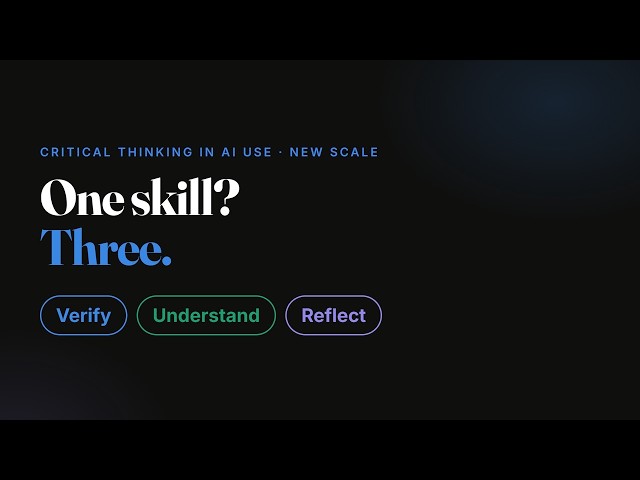
Critical Thinking in AI Use Is Three Skills, Not One
Verify, understand, reflect: a 13-item scale built across six studies with 1,341 people, and why each part matters on its own.
 3:07
3:07
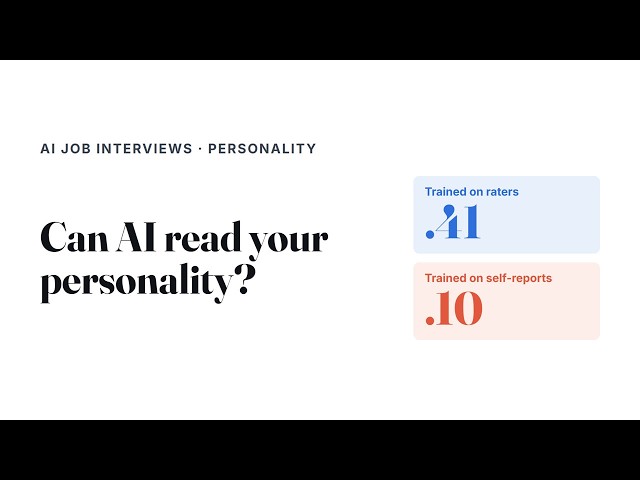
Can AI Read Your Personality From a Job Interview?
Automated video interview models of the Big Five, built across four samples: models trained on interviewer impressions held up far better than those trained on self-reports.
 3:45
3:45
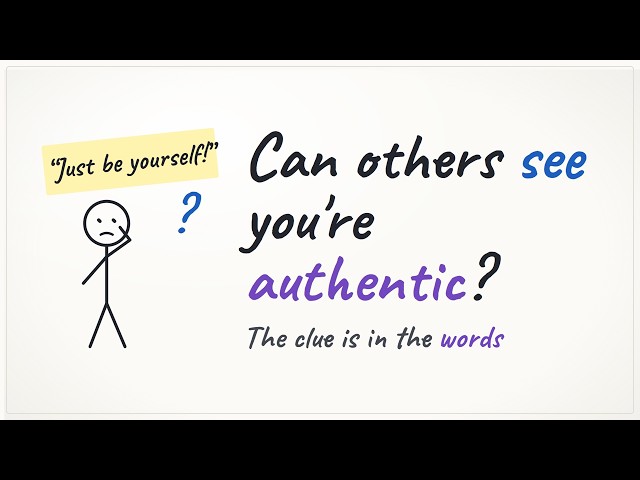
Can Others Tell If You're Being Authentic?
Feeling authentic is not the same as looking authentic. What AI analysis of job interviews found.
 3:39
3:39
Does Dropping the SAT Remove Bias?
Bias versus score gaps: what the research says about standardized testing and going test-optional.
 4:16
4:16
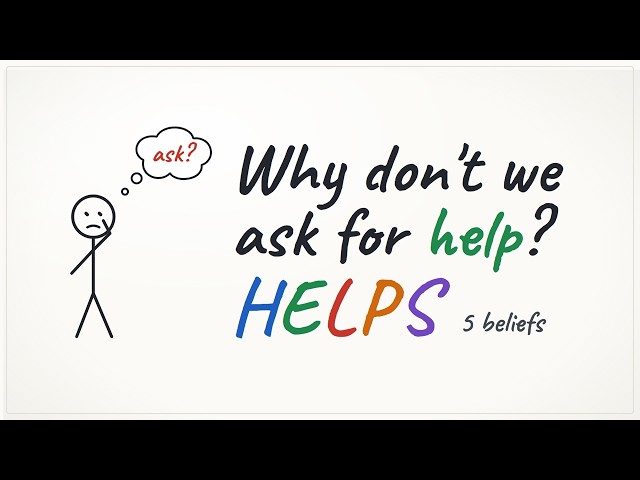
Why Don't We Ask for Help?
The five HELPS beliefs that decide whether people reach out for help, and how to measure them.
 3:36
3:36
The 7 Dimensions of Psychological Situations
Psychology has the Big Five for people. The CAPTION model maps the situations people are in.
No explainers in this topic yet.
Shorts · one-idea clips
 Does your country shape your happiness?
 Is critical thinking about AI one skill?
 Can AI read your personality from a job interview?
 Different average scores: is the AI biased?
 Can anyone tell if you're being yourself?
 Is the SAT biased? Bias vs. a score gap
 Why don't people ask for help? 5 beliefs that decide
 Psychology has the Big Five for people. What about situations?
Talks


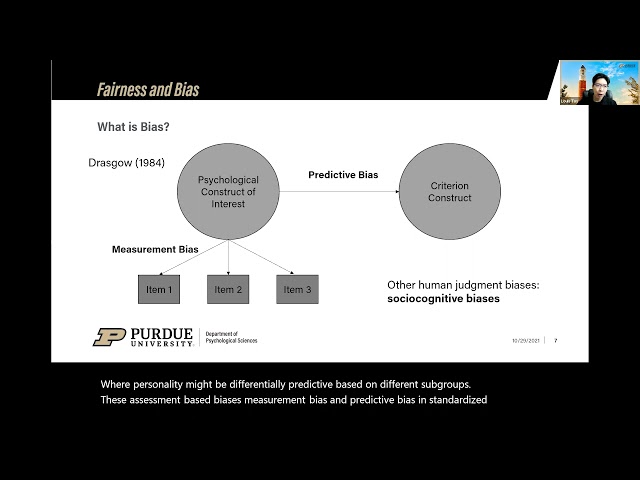
Tools & resources
Free and open resources from our research program.
Selected books
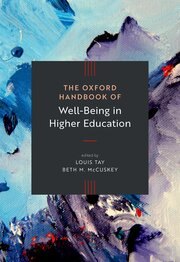 The Oxford Handbook of Well-Being in Higher EducationOxford University Press
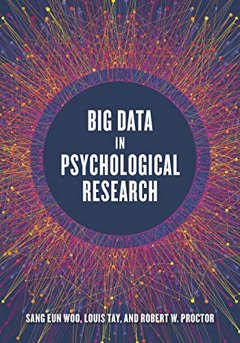 Big Data in Psychological ResearchAPA Books
 Handbook of Well-BeingDEF Publishers
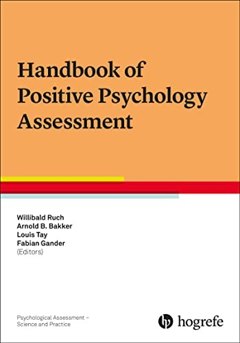 Handbook of Positive Psychology AssessmentHogrefe
 Oxford Handbook of the Positive HumanitiesOxford University Press
 Technology and Measurement around the GlobeCambridge University Press
Recent writing
Collaborations, talks, and students
Department of Psychological Sciences, Purdue University